
Going Deeper: The Promise of Grace in the Story of Noah’s Ark
On the surface, Noah's Ark looks like a story about judgment: a world gone awry, an angry God, a flood that wipes everything out to start from scratch. But go deeper, and the thread weaving through Noah's story is the same one that runs through the gospel: grace.
How Noah’s Ark Points to Jesus
The account of Noah's Ark in Genesis contains remarkable details that point us toward God's plan of redemption.
First is the word chen. In Genesis 6:8, it is translated as “found favor in the eyes of the Lord,” but throughout Scripture it carries the meaning of divine grace.
This is the Bible’s first use of a word for grace. At a time when humanity had become hopelessly corrupt (Genesis 6:5), God chose Noah — not because he was sinless, but because he walked faithfully with Him (Genesis 6:9).
Before God brought judgment, He extended grace. Noah could not save himself, but God provided a way of salvation. In the same way, God has shown us grace through Jesus Christ. We are saved not by our own efforts, but by trusting in Him (Romans 5:8).
Next, God instructed Noah to cover the ark with kopher, often translated as "pitch." While English translations emphasize its practical purpose, the Hebrew word carries a deeper meaning. It shares its root with the language of atonement, including Yom Kippur, the Day of Atonement.
The kopher sealed the ark and protected those inside it from judgment (the floodwaters). In the same way, Jesus' sacrifice covers our sin and shields us from God's judgment (Romans 3:25). The ark's covering points to the greater covering found in Christ.
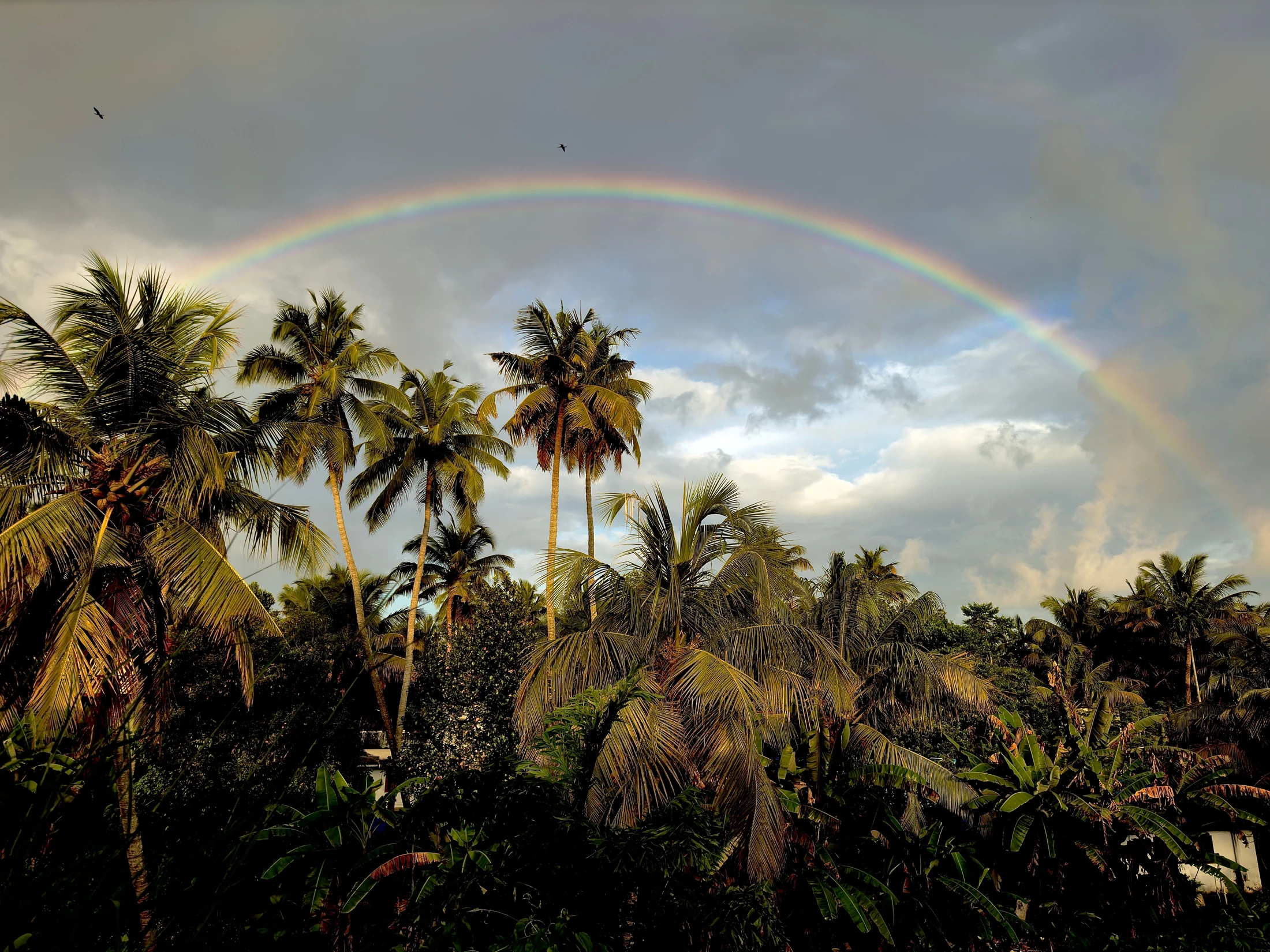
Finally, after the flood, God places a keshet in the sky. Though translated “rainbow,” the word literally means a war bow, a weapon used by ancient warriors in warfare.
Think of a rainbow: its arch points upwards, away from the earth and towards heaven.
The image foreshadows the cross, where God’s judgment against sin was borne by His Son.
The first rainbow was a sign of promise – rather than bringing ultimate judgment upon humanity, God would provide the sacrifice Himself. Thousands of years after Noah, Jesus fulfilled that promise.
Noah’s Ark Was Never Just About a Boat
Grace, not judgement, is the heartbeat of Noah’s story. And the same grace that God showed Noah is the same grace He extends to you:
It’s a grace that sees your faith in the middle of brokenness. Just like God saw Noah in a broken world, He sees you.
It is a grace that covers every failure and shame, just as the ark was covered and protected from the flood.
It’s about grace that promises God is for us. His judgment is no longer aimed at those who trust in Christ because Jesus took our place on the cross.
Don’t be like the people of Noah’s day who perished because they rejected the provision God made for salvation. Trade the pursuit of saving yourself – building your own ark, creating your own security, earning your own righteousness – for resting in the Ark God has provided: Jesus.
This post is inspired by the first message of our “Stories That Shape Our Faith” sermon series and the first chapter of Dr. Jody Ray’s book of the same name.