
Going Deeper: The Fulfillment of Pursuit in the Woman at the Well
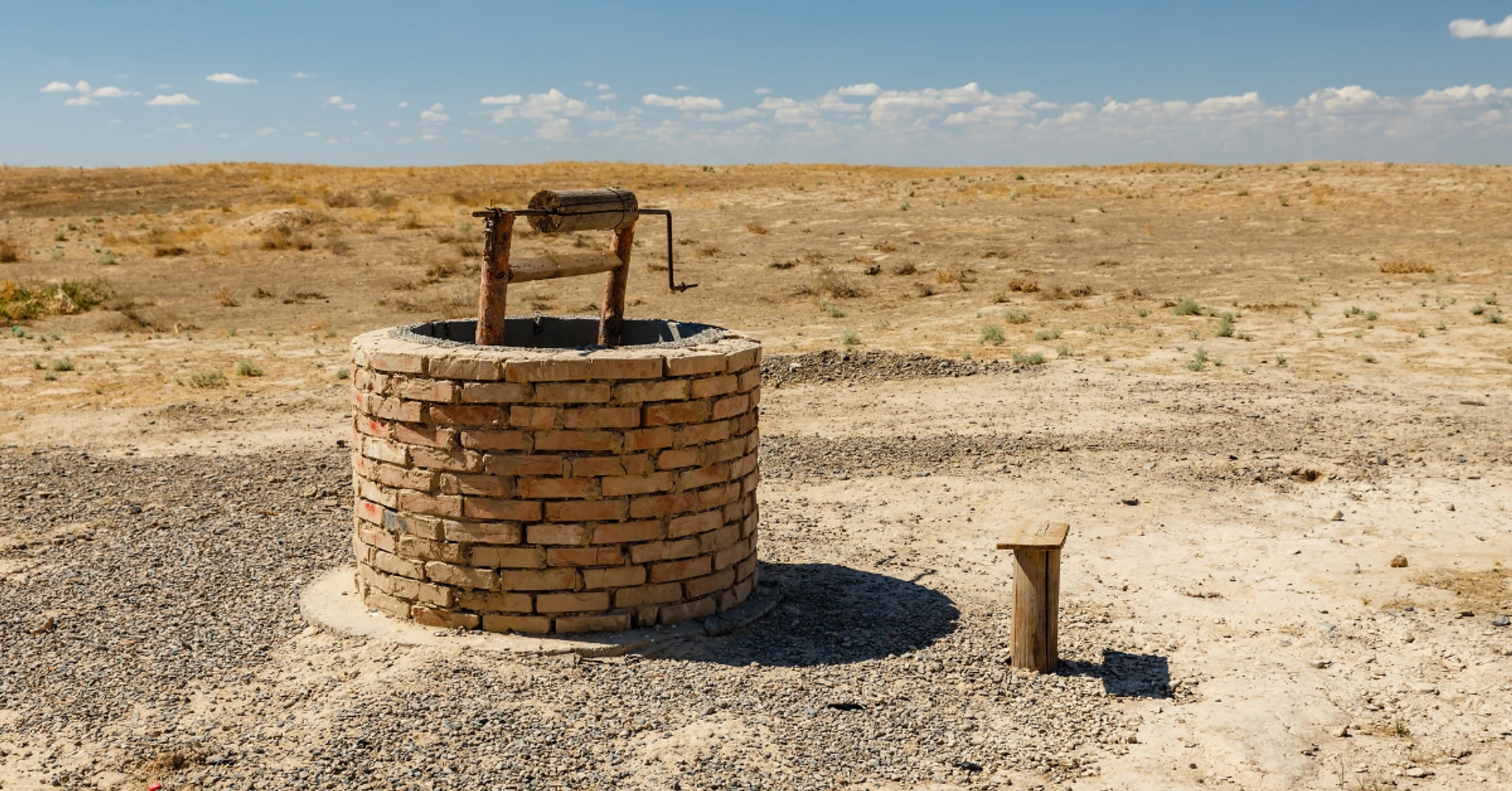
In John 4, a Samaritan woman arrives at a well alone at noon – the hottest, emptiest hour of the day –– timing her trip to avoid the stares and whispers that follow her everywhere else. She isn't expecting company. She definitely isn't expecting a visit from God.
But Jesus is there, waiting.
In this encounter, Jesus fulfills what the Old Testament stories of Noah, Moses, David, Jonah, and Esther had been pointing toward all along: God relentlessly pursues broken people.
The God Who Has to Have Us
First-century Jews avoided Samaria so completely they would add days to a trip just to go around it. But John tells us Jesus "had to" go there—the Greek word dei carries the force of divine necessity. This wasn't a detour; it was the Father's plan.
His interaction with this woman broke every social convention: a Jewish rabbi speaking alone with a Samaritan woman who had been rejected by her own community. Jesus willingly crossed every barrier to pursue someone everyone else avoided.
This is God's character on display. From Genesis to the Gospels, He is the God who initiates the rescue we could never accomplish ourselves.
He Addresses the Wound Before She Names It
Jesus doesn't wait for her to arrive with her life in order. He brings up her five failed marriages, not to shame her, but to heal the wound she'd spent years hiding.
She couldn't rewrite her past so she organized her life around her shame. Jesus offered something entirely different: Living Water that would free her from it.
How This Fulfills the Old Testament
The prophet Jeremiah pictured God as a fountain of living water, and Israel as a people who kept digging broken cisterns for themselves — cisterns that could never actually hold water (Jeremiah 2:13). Jesus offers what those cisterns never could: living water that becomes a spring inside her, welling up to eternal life (John 4:10-14). And the setting is no accident — wells are where God often initiates covenant relationships with His people in the Old Testament (Genesis 24, 29; Exodus 2).
That's what Jesus does: He meets us where we are in our brokenness, but He loves us too much to let us stay there. His kindness draws us to repentance (Romans 2:4). A relationship with Him changes everything.
The woman who once hid from her neighbors becomes the first evangelist in Samaria, running back to tell her community she has met the Messiah.
Trade Your Cisterns for the Living Water
Like the Samaritan woman, we all have a "noon"— a place we avoid, a wound we manage rather than heal. Most of us are drawing from cisterns of our own: a relationship, a habit, a way of numbing, proving, or hiding, hoping this time it will finally satisfy.
It never does.
Jesus is already waiting at your well. He knows your whole story, yet He stays. He's not offering to patch your broken cistern but to replace it with a spring that never runs dry.
Trade the exhausting cycle of returning to empty wells for the Living Water only Jesus can give. Come as you are, let Him meet you in your brokenness, and discover that life with Him is better than anything this world can offer.
This post is inspired by this week's message of our "Stories That Shape Our Faith" series and the corresponding chapter from Dr. Jody Ray's book of the same name.